Untangling fact from folklore in the world of wine.
Deep-rooted traditions or ideas with no real basis? From Gregorian chants to the shape of a bottle’s base, here’s a look at some of the stories, rituals and myths that surround the world of wine.
It’s early morning. The vines are still asleep, beaded with dew, and the cellar holds on to the coolness of the night.
These are the moments when stories begin. The ones people pass along, half-laughing, never quite checking whether they’re true.
So take out your magnifying glass, keep your eyes open and listen closely. We’re going to sort fact from folklore.
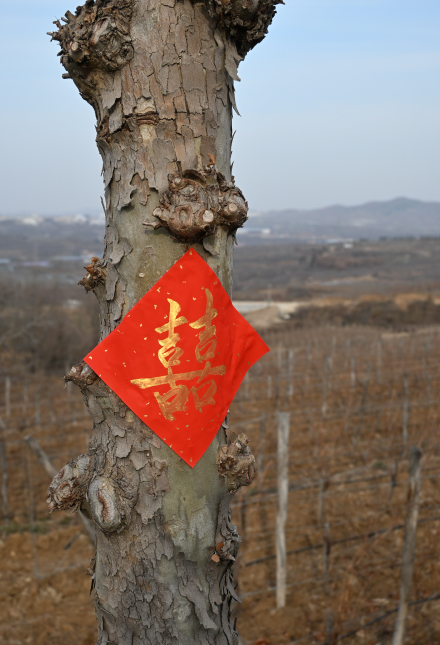
1. At Domaine de Long Dai, offerings protect the vines from bad weather.
A cultural tradition.
Before the sun breaks through the morning mist, certain gestures repeat themselves year after year. Bowls of rice, a few pieces of fruit, sometimes a steaming cup of tea are placed at the foot of the vines.
These offerings mark the rhythm of the season. They remind us that the vine demands patience and care, and they offer a small sense of control in the face of nature’s unpredictability.
It’s a way of entering into dialogue with the land, and of feeling, if only slightly, more in tune with the passing weather.
2. At Domaine de Long Dai, a dragon watches over the vines to make sure the wine doesn’t turn.
A myth easily slain.
When you arrive at Domaine de Long Dai, you might almost find yourself scanning the vineyard for a glimpse of a scale or the tip of a tail between the rows. Rest assured: no dragon sleeps among the vines. But the idea is not entirely fanciful.
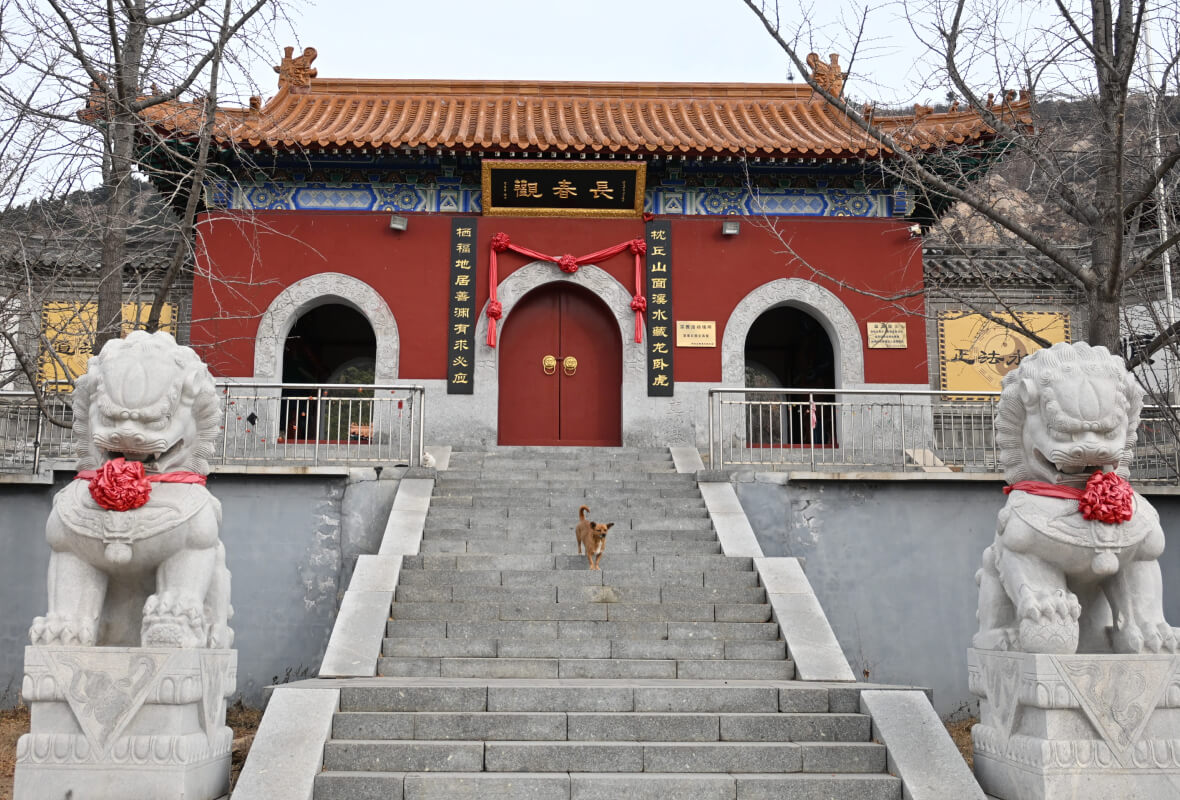
Unusual guardians are indeed present. Stone lions keep watch near the winery, which is ringed with decorative gourds (húlu), while goldfish glide silently through still pools whose calm surface reflects a shifting sky. In Chinese culture, nothing is left to chance. Water invites prosperity, fish symbolise abundance, lions protect the site, and gourds promise good fortune.
The belief is simple: a well-ordered world gives rise to wines that are equally balanced. Protected, harmonious, serene. And if a dragon exists here at all, it keeps watch quietly in the shadows.
3. The roses at the end of the rows really do serve a purpose.
True, and they’re not just for aesthetic purposes.
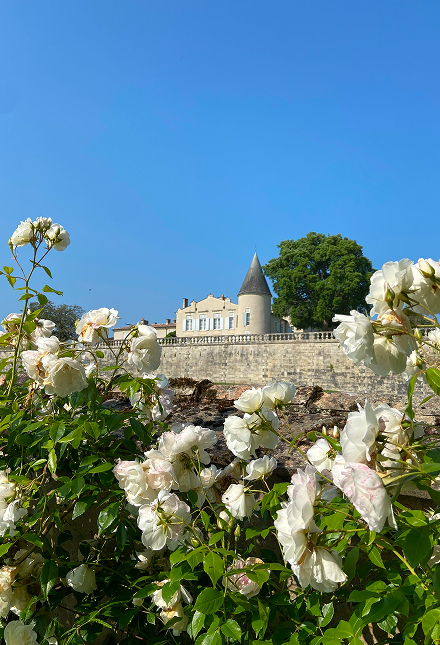
Walk along the vineyard rows. At the far end, a rose bursts into colour. And no, it isn’t there merely for decoration. Vines and roses share many of the same diseases, but the rose, being more fragile, shows the symptoms first. A blemish, a dusting of white mildew, and the grower knows to keep a close eye on the vines.
Today, sensors and modern tools can do the job, yet the roses remain. Partly tradition, partly habit—and partly because they still have something to say. Their bloom reflects the health of the vines and reminds us that wine is made as much through observation and patience as through technical expertise.
4. Letting grass grow between the rows and planting hedges genuinely helps the soil.
Without a doubt.
Beneath your feet, the soil is not bare: it breathes, lives and moves, even if we cannot see it. Allowing grass to grow between the vines, sowing cover crops, planting hedgerows—these simple practices make a difference. Roots hold the soil in place, prevent erosion and regulate water. Micro-organisms find refuge there, insects make their home.
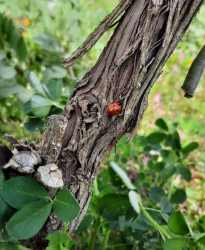
The landscape becomes less orderly, more abundant but infinitely more alive. And if you look closely, you may see ladybirds darting between the leaves like tiny sentinels. Trust us: they are grateful.
5. Canaries in the vats detect ‘bad’ fermentations.
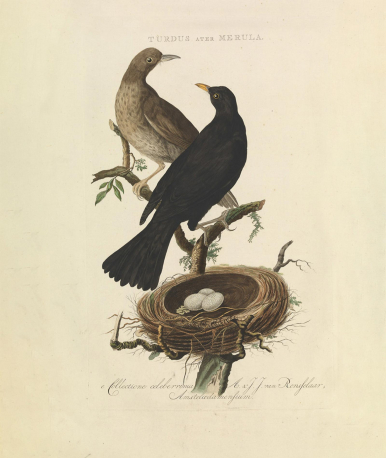
No.
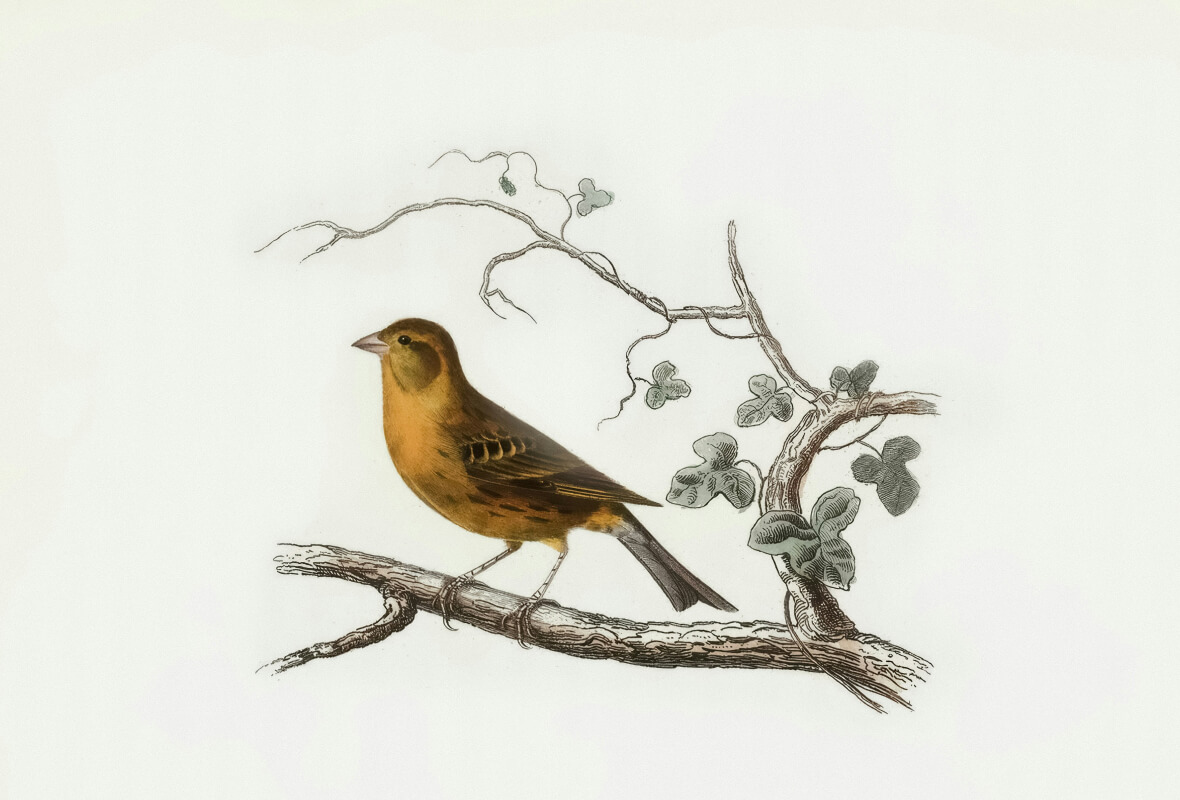
Rest assured: no birds are involved in fermentation. Here, it is analysis, tasting and experience that guide the process. The only ‘birds’ allowed are the ones you think you sense when aromas escape from the vats and catch you as you pass.
6. In Argentina, hailstorms are warded off with a cross of salt.
An ancestral custom.
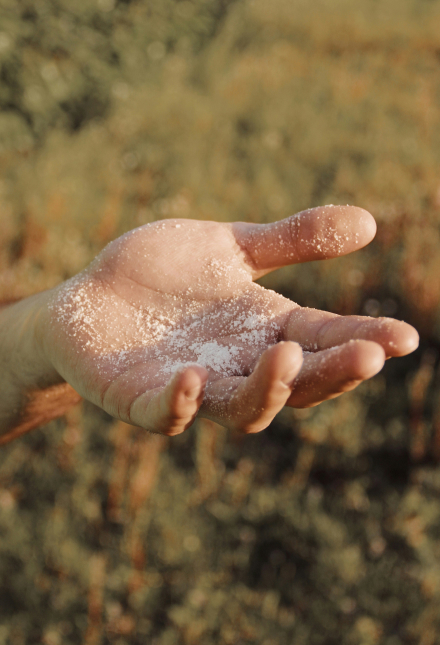
The sky darkens. The wind rises. In Mendoza, hail is a dreaded enemy. And so an old gesture persists: tracing a cross of coarse salt on the ground.
Sometimes a knife or an axe is planted at its centre, the blade pointing towards the cloud. Salt, a symbol of protection, joins the Christian cross and the cutting blade in an attempt to halt nature’s destructive force. The practice is rare today, but it still lingers in local memory.
7. A deep punt proves the quality of the wine.
A glassmaker’s myth.
You may have examined the base of a bottle and thought: the deeper the indentation, the better the wine. It is almost an instinctive gesture, a small ritual of the novice taster.
In reality, the concave base, known as the punt, has a far more practical purpose: stabilising the bottle and distributing pressure. Nothing more. The depth of the punt says nothing about the quality of the wine.
Sommeliers have known this for years, and experienced drinkers too: what matters is not the glass or the bottle, but what lies inside.
8. Gregorian chants played in the cellar help wines mature.
Reality…and debate.
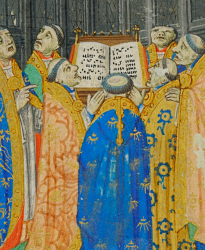
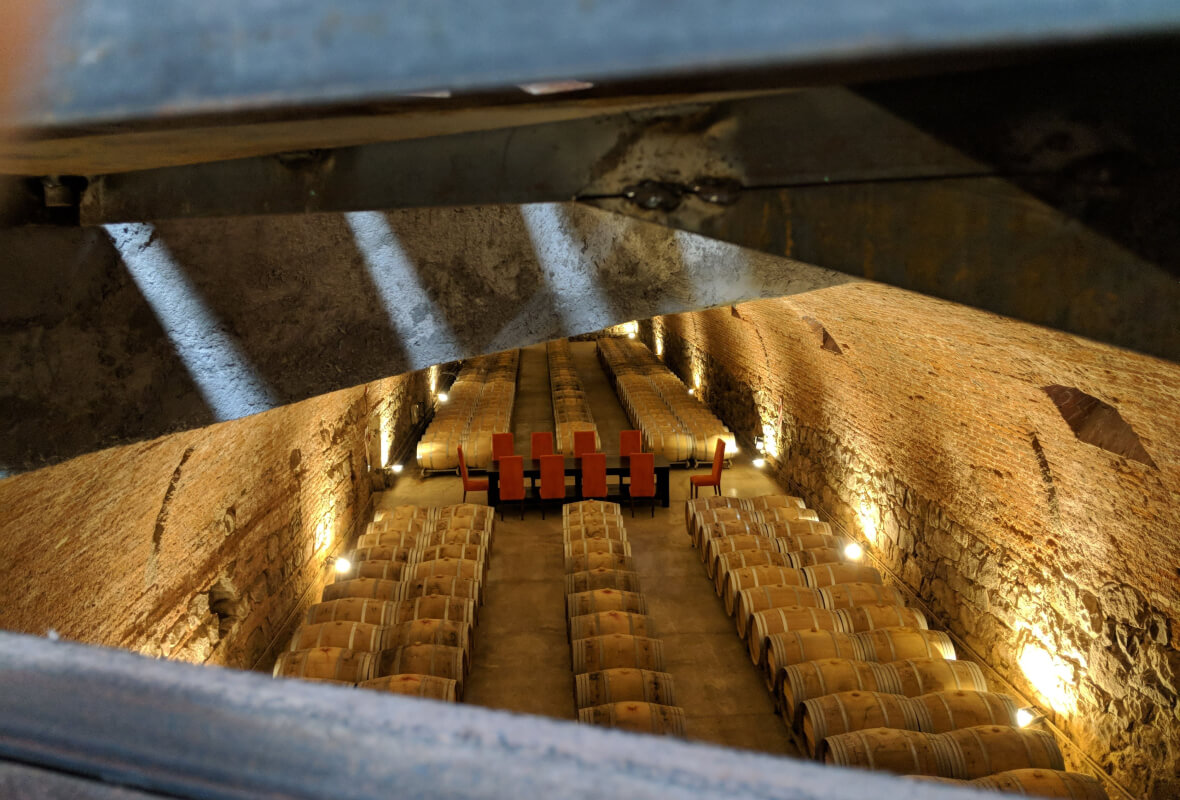
Push open the cellar door. The barrels seem almost to listen. In some estates, Gregorian chants fill the air with a quiet solemnity. The idea is appealing: to calm the atmosphere, inviting the wine to take its time and mature slowly.
Scientifically speaking, the effect of music on tannins remains open to debate. But the ritual undoubtedly shapes the atmosphere. At worst, the cellar master gains a musical education. At best, the wine simply takes its time.
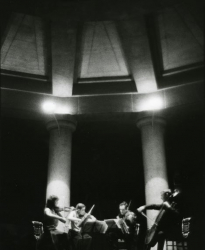
A classical concert in the underground cellars of Château Lafite Rothschild continues a tradition reminiscent of Gregorian chant.
9. Bordeaux barrels hold 225 litres so that cellar workers can taste the wine.
A delicious myth.
You’ve probably heard the story: barrels were sized so workers could sneak a little taste. Tempting, isn’t it?
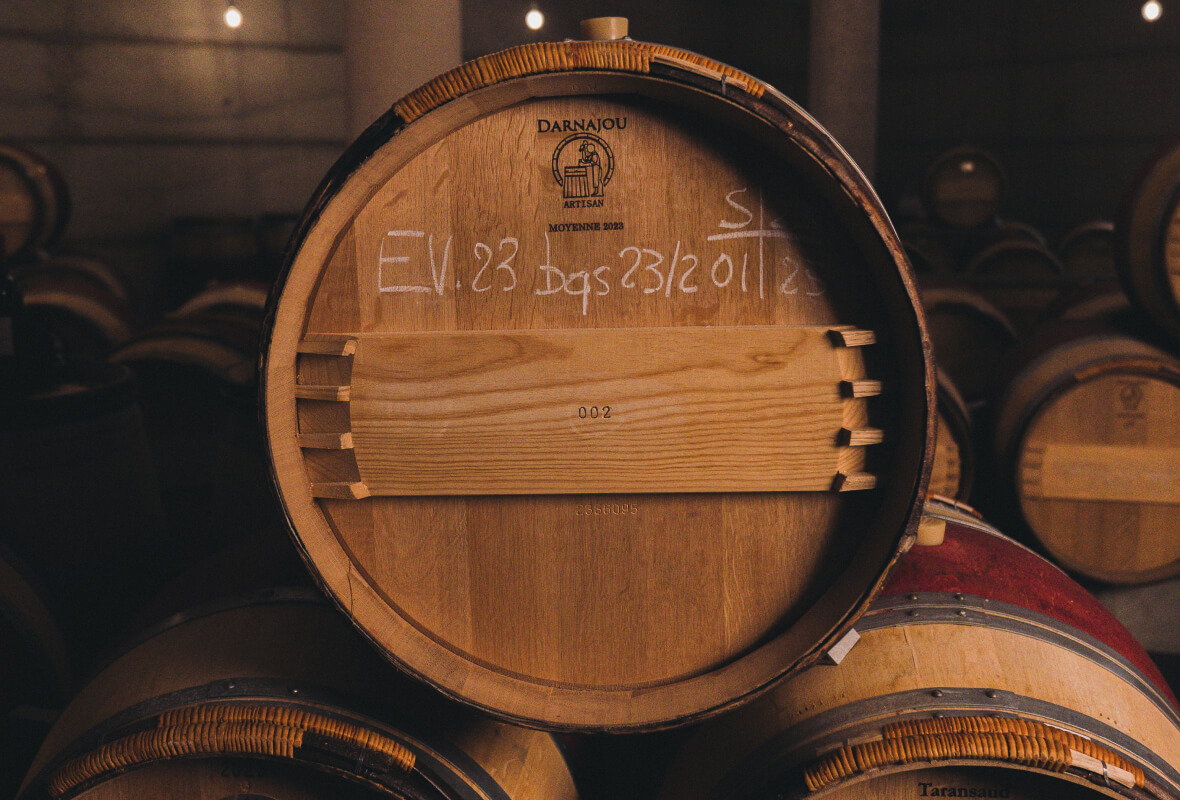
In truth, the standard Bordeaux barrel holds 225 litres (228 in Burgundy), and the size has a precise purpose: allowing the wood to breathe, helping the wine mature properly, and ensuring the toast of the barrel is evenly distributed. Everything else is simply legend.
10. Women who are menstruating must not enter the cellar or the wine will ‘turn’.
False, and outdated.
It sounds like a superstition from another age. Yet the belief still lingers in certain estates. The idea that a wine might spoil because of the hormones of those working around it has no scientific basis whatsoever. Wine is made with yeast, oxygen and patience, not with the biology of the cellar team.
11. At Bodegas CARO in Argentina, a ghost named Benito haunts the underground cellars.
The jury’s out on this one.
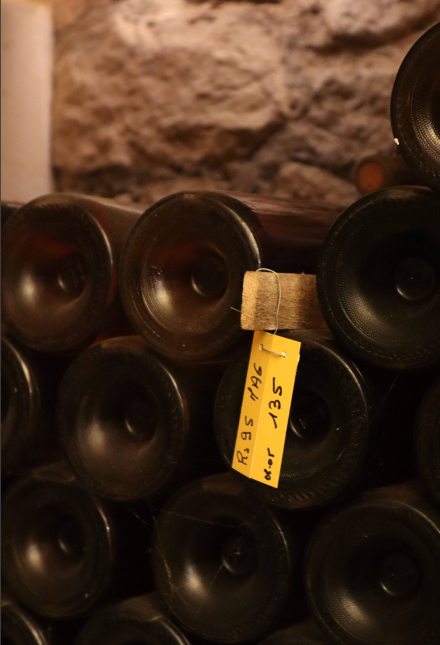
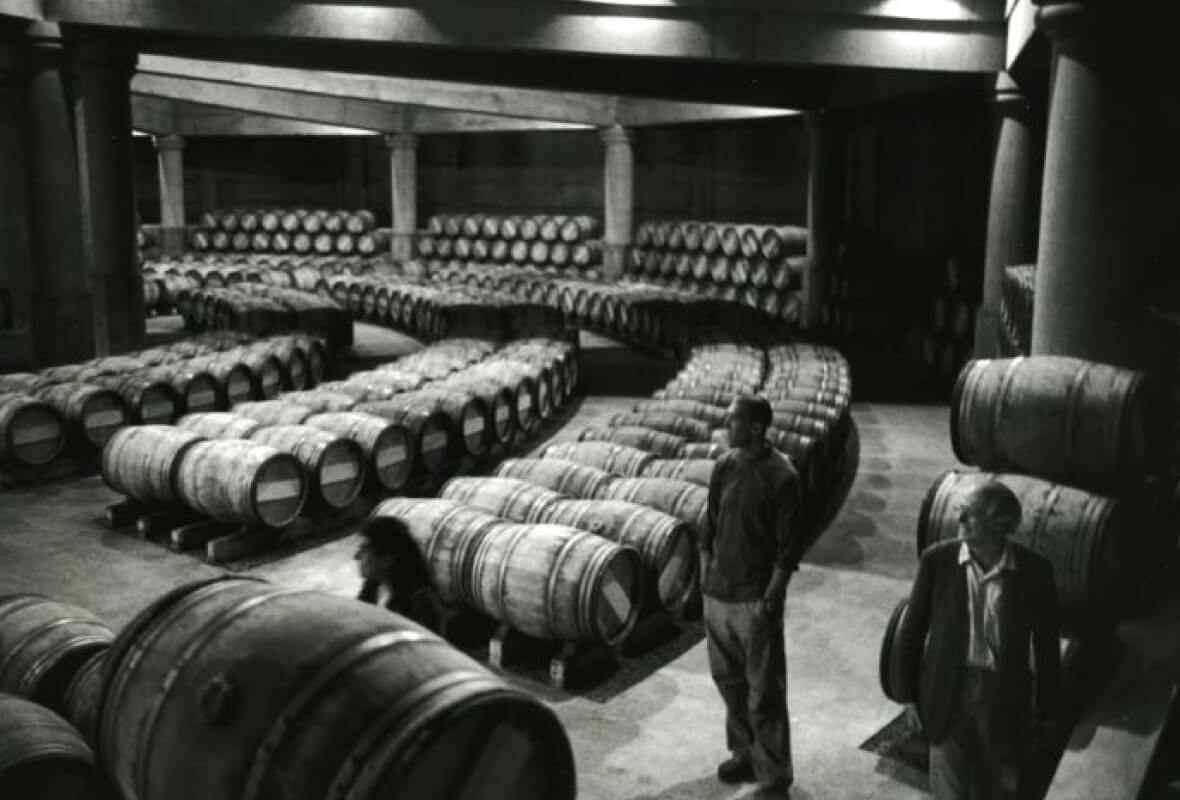
Descend a few steps. The temperature drops, the air thickens. Old cellars have a way of reminding you that you are never entirely alone. In Mendoza, when a presence seems to linger unseen, people call him Benito.
At Bodegas CARO, some swear they have encountered him: a staircase creaking by itself, a shadow passing between vats, a bottle gently clinking when the cellar should be silent.
Those who lock up late sometimes cheerfully call out, ‘Benito, I’m off!’, just to avoid leaving without saying goodbye. Discreet and reputedly kind-natured, he occasionally plays small tricks. And the team are not above adding to the legend, manipulating lights and sounds to startle newcomers.
So is he a cellar myth, or an invisible housemate? Hard to say. What is certain is that here, people prefer to leave the door slightly open to doubt. And when the lights go out, one cannot help but murmur with a smile:
Benito…are you there?
The end of our inventory
Between inherited gestures and scientific evidence, wine continues to tell a story that never fully submits to strict rationality. A ghost in the cellar, a cross of coarse salt, an offering placed at dawn. Such superstitions form part of the identity of our terroirs.
Others, however, reflect little more than ignorance or prejudice.
So let’s keep both our critical spirit and our sense of wonder.
Read also
Grape glossary
ASSEMBLAGE - An A-Z of grape-related expressions and proverbs from across the world.
In our cellars, we blend grape varieties; in this article, we blend proverbs. From Japan to Italy, from Greece to Spain, the grape runs through languages and imaginations. Each line reveals a shard of culture, a flavorful metaphor, a way of naming this fruit that brings us together. Like a blend of voices from across the world.
We’ve been digging for root words – words that give origin to others. Root covers a lot of ground, offering meanings whose tendrils we’ve attempted to follow.