The Journal / Shores
Assemblage: the travelling wine
A meandering journey of rivers, ports and people who carried wine through history.
A meandering journey of rivers, ports and people who carried wine through history.
In each issue’s ‘Assemblage’ section, we compose a blend of shorter snippets relating to a theme. This time, we explore the various ways wine traveled throughout history. From ancient riverbanks to distant shores, wine has always been on the move. An assemblage of the routes, people and inventions that carried it around the world.
Imagine it’s dawn. Mist hangs over the Gironde. The tide is turning. Along the muddy bank, a cooper gives one last tap to the iron hoop around a barrel. Nearby, a sailor coils thick hemp rope while merchants count casks with charcoal marks that tell them where each one should end up. London. Amsterdam. Hamburg. Nobody knows exactly how long the journey will take. The wind, tide and weather will decide. (Much like making our wines.)
A few weeks later, someone hundreds of miles away will raise a glass, never knowing the river, the ports, the storms or the people that carried that wine to them.
This is an assemblage of those journeys. A meandering scrapbook of rivers, ports, ships and forgotten logistics that moved wine across continents long before roads, labels, appellations and tasting notes. Jump in, the water’s fine.
Wine existed long before elaborate trade routes. So moving it wasn’t easy. Clay vessels were heavy, overland transport was slow and every extra kilometre made precious cargo harder to move. Water offered another possibility. In ancient Egypt, the Nile became a great artery for people and goods. In Mesopotamia, boats travelled the Tigris, Euphrates and an extensive network of canals, connecting settlements and carrying cargo between them. Long before highways and railways, rivers were among humanity’s great trade routes.
It’s around 1000 BC. The Phoenicians rarely appear in wine books. Perhaps they should. Master sailors from the cities of Tyre and Sidon, they established trading posts across the Mediterranean, linking Cyprus, Sicily, Sardinia, North Africa and southern Iberia.
Their ships transported wine, certainly, but perhaps more importantly they transported vines, cuttings, amphorae and knowledge. Viticulture travelled with them. The map of Mediterranean wine began taking shape.
Long before bottles, wine travelled inside clay. The amphora was remarkably clever. Its pointed base slotted neatly into sand or the hull of a ship. Narrow necks reduce oxidation. Seals of pine resin helped preserve the wine. Archaeologists have found thousands of them resting on ancient shipwrecks throughout the Mediterranean, each one a record of commerce.
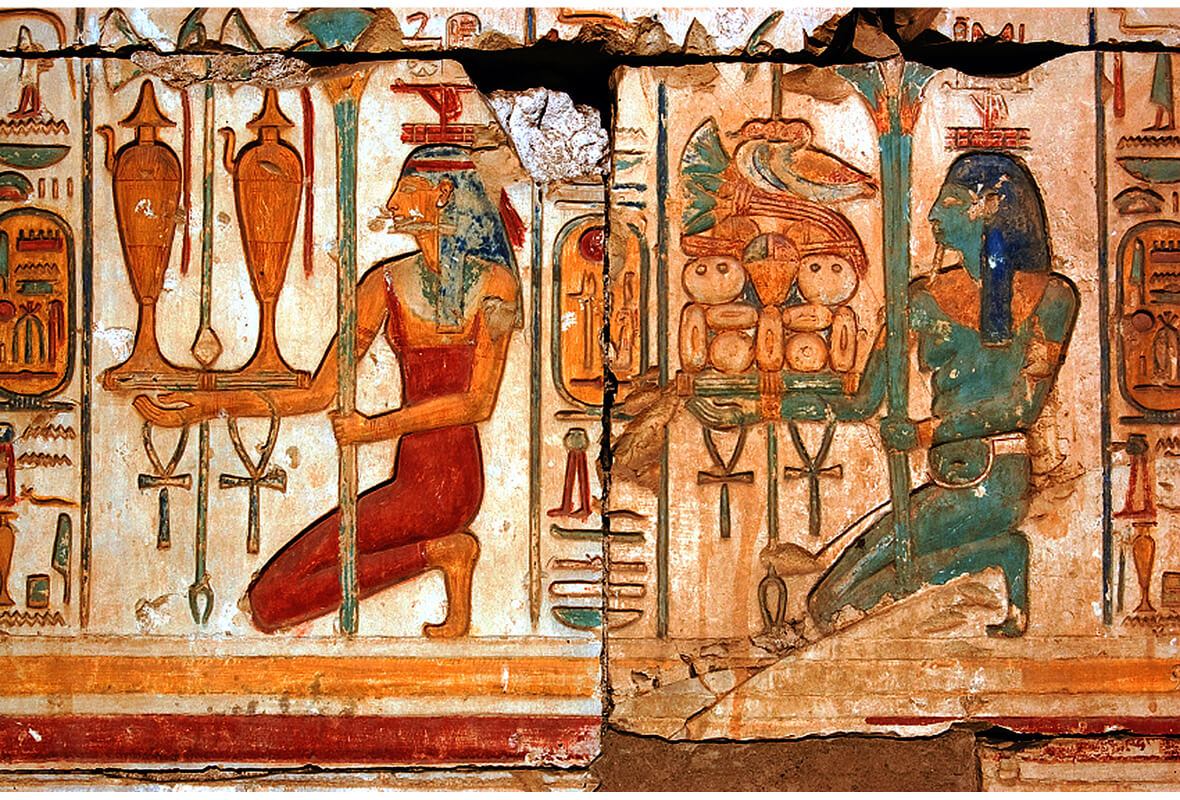
The Romans inherited centuries of Greek, Etruscan and Phoenician wine culture. Then they connected it on an extraordinary scale. At its height, the Roman road network stretched for well over 100,000 kilometres, carrying armies, people and goods across the empire. At sea, merchant ships connected its Mediterranean ports. Wine travelled through both networks, while viticulture expanded across Roman territories.
In Gaul, roads pushed west from the Mediterranean towards the Atlantic. The Via Aquitania ran from Narbonne through Toulouse towards one increasingly important trading settlement. Burdigala. These days, we call it Bordeaux.
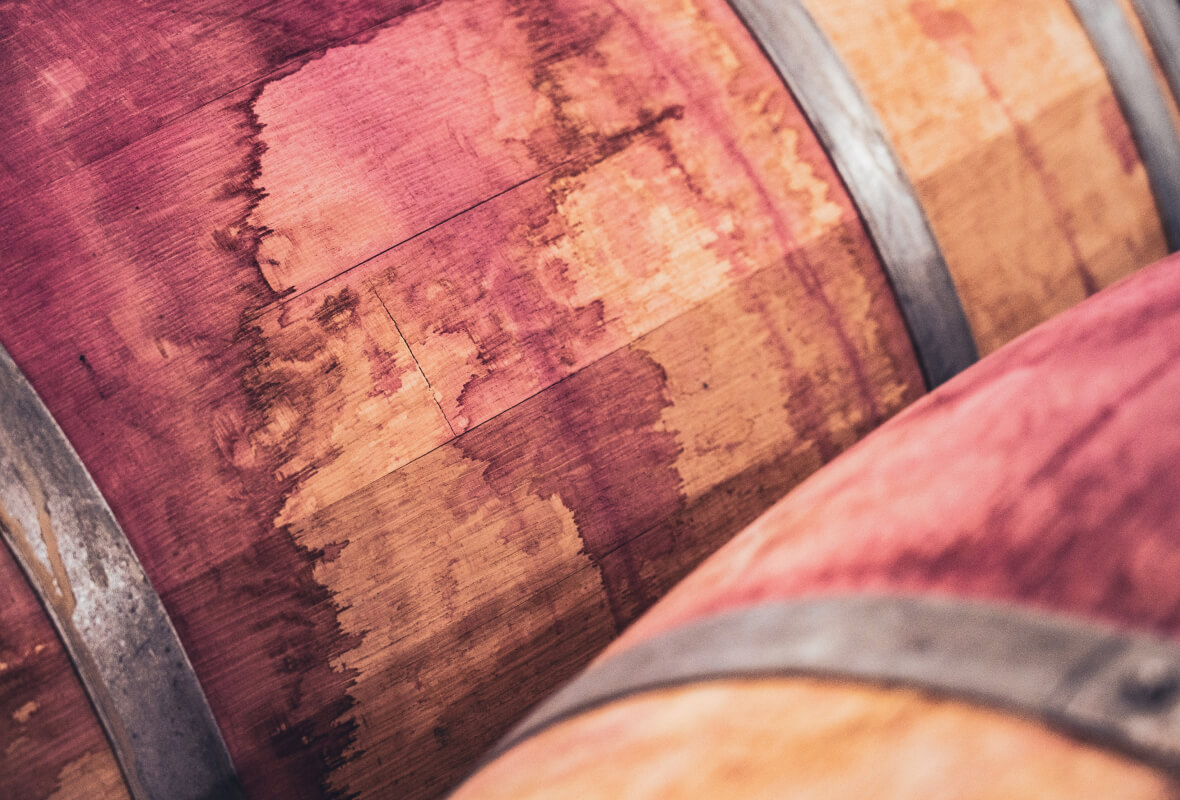
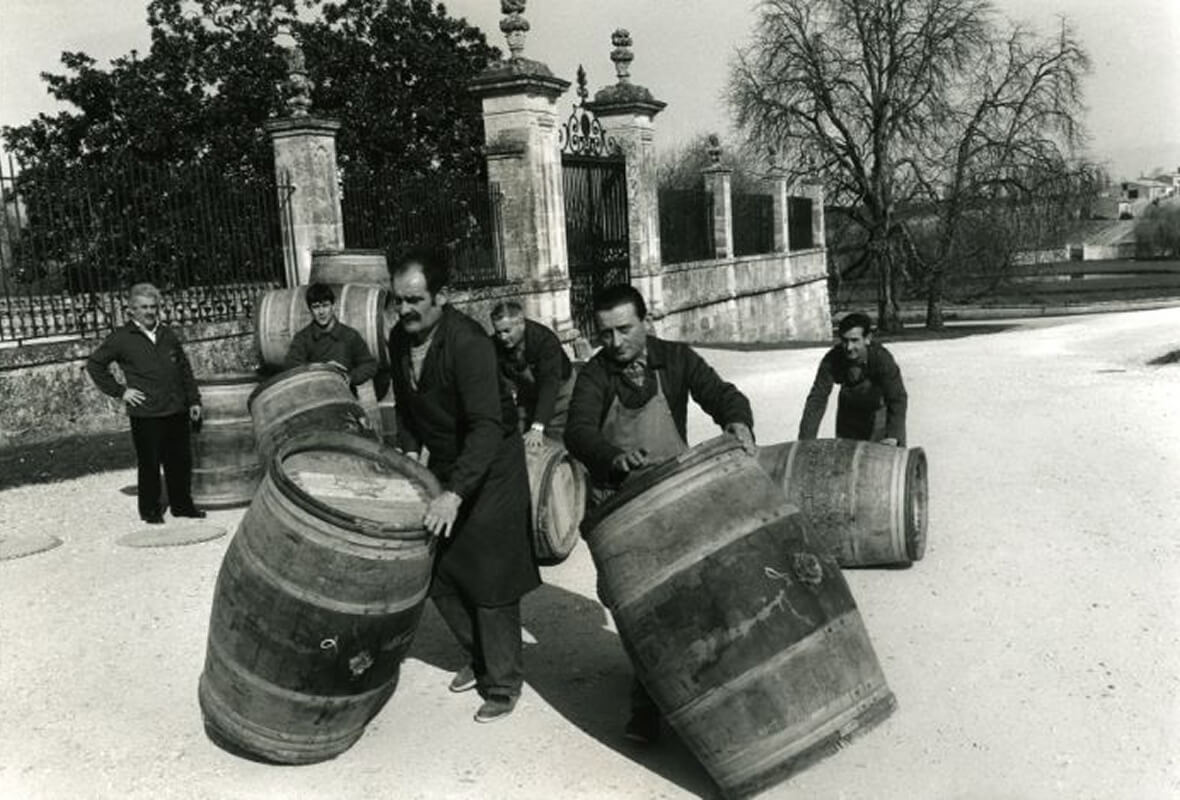
One object quietly changed everything. Not the bottle. The barrel. Developed by Celtic coopers and adopted by the Romans, oak barrels proved lighter, stronger and infinitely easier to move than fragile amphorae. You couldn’t roll an amphora. You could roll a barrel straight from the boat to the warehouse. (To learn more about that precious vessel, discover the journey of a Domaines Barons de Rothschild Lafite barrel, from tree to tonnellerie.)
Every great wine region has vineyards. Bordeaux had something even more valuable. A river system. The Dordogne and Garonne converge to form the Gironde, Western Europe’s largest estuary, creating a natural route from inland vineyards to the Atlantic. For centuries, barrels drifted downstream on flat-bottomed boats. Their journey looked something like this.
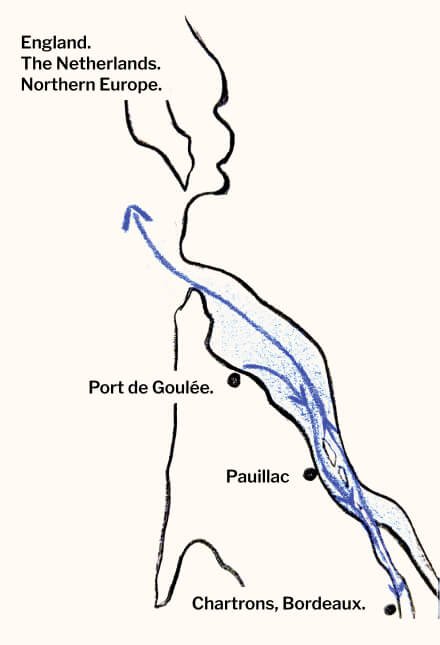
The vineyard
↓
The local landing stage
↓
Port de Goulée
↓
Pauillac
↓
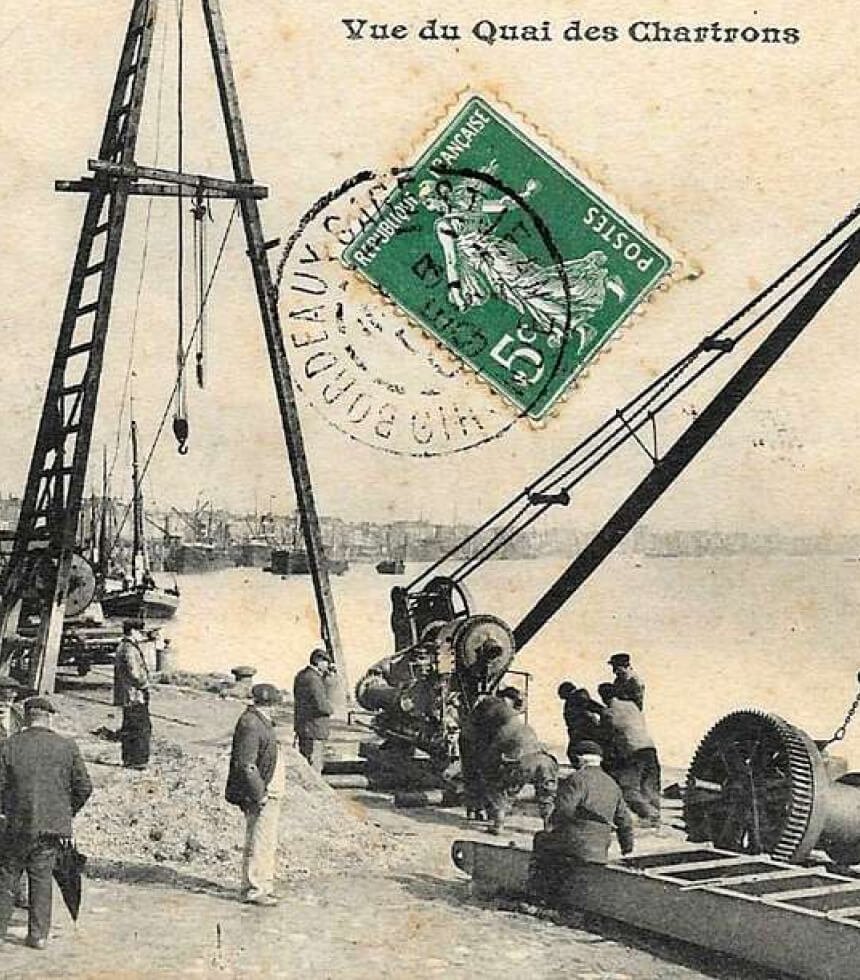
Chartrons, Bordeaux
↓
England. The Netherlands. Northern Europe.
Long before motorways, this was Bordeaux’s supply chain.
Place: Chartrons
If vineyards made wine, Chartrons made Bordeaux famous. From the 17th century onwards, Dutch, Irish, English and German merchants established warehouses along the quays. Barrels arrived from the estuary. Wine was tasted. Blended. Stored. Sold. Loaded once more. The river never really stopped working.
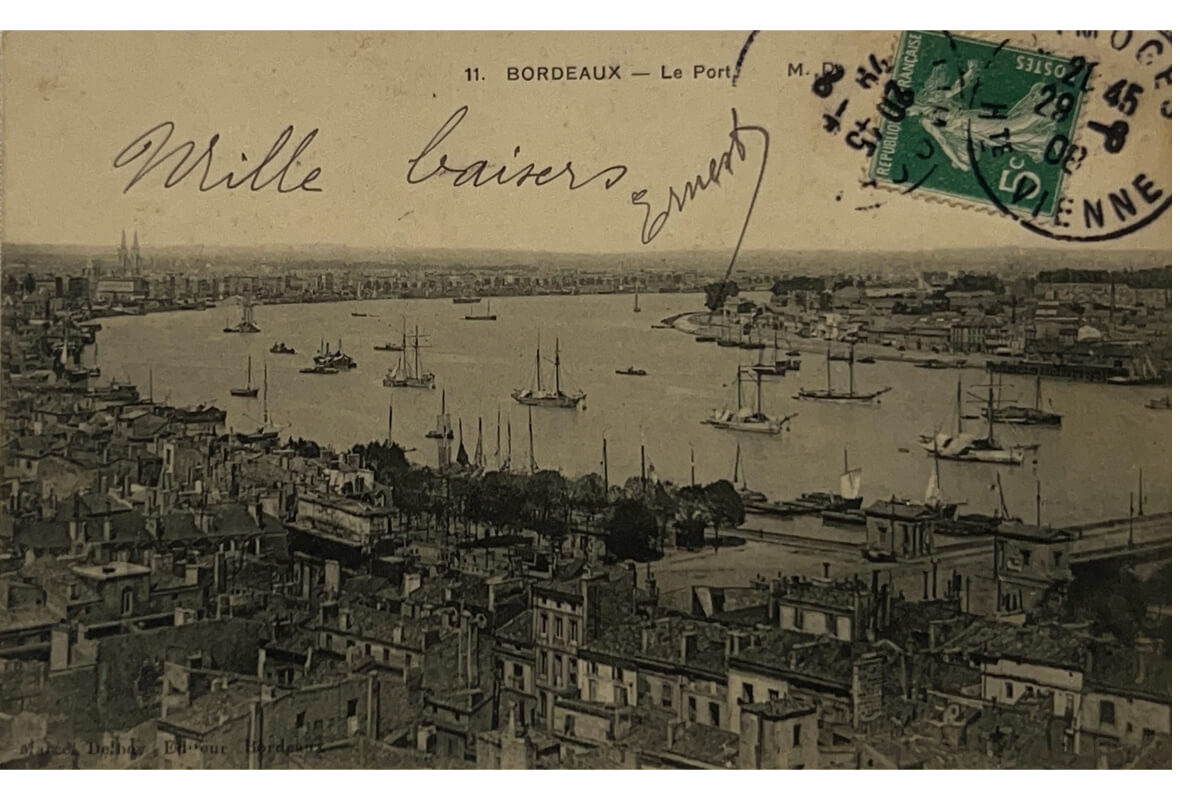
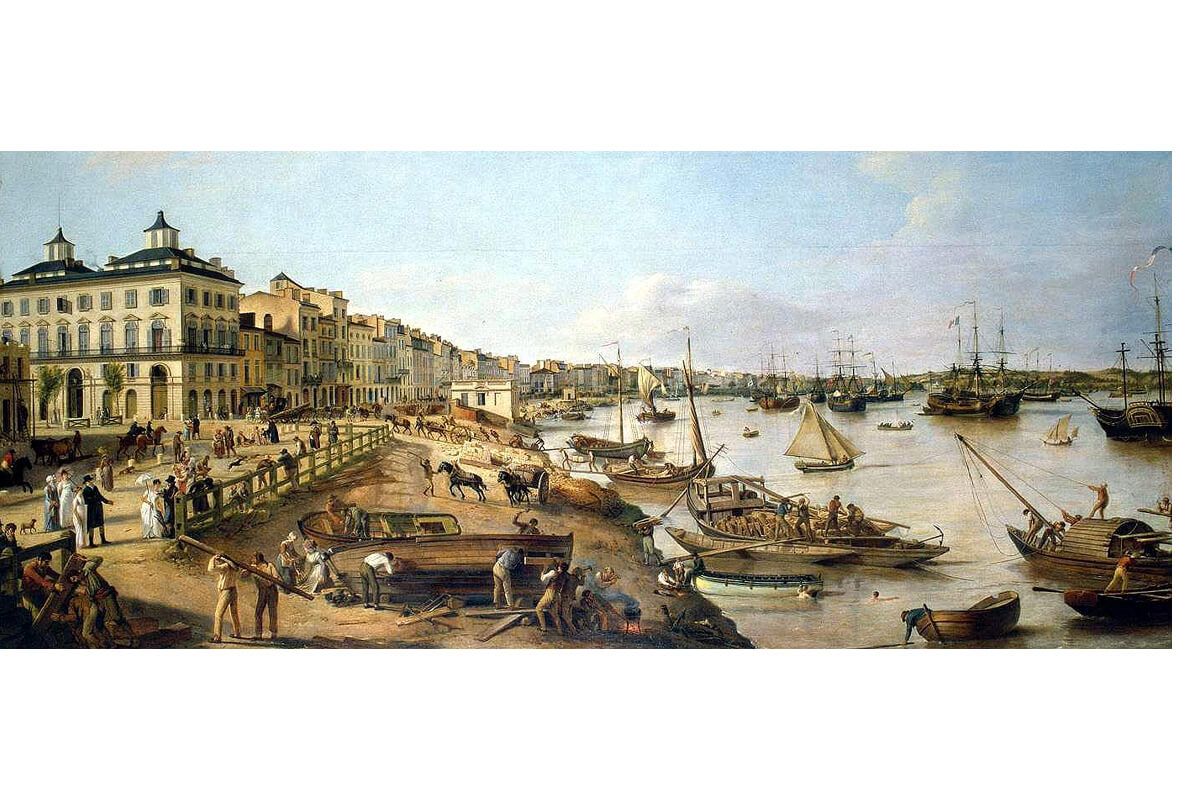
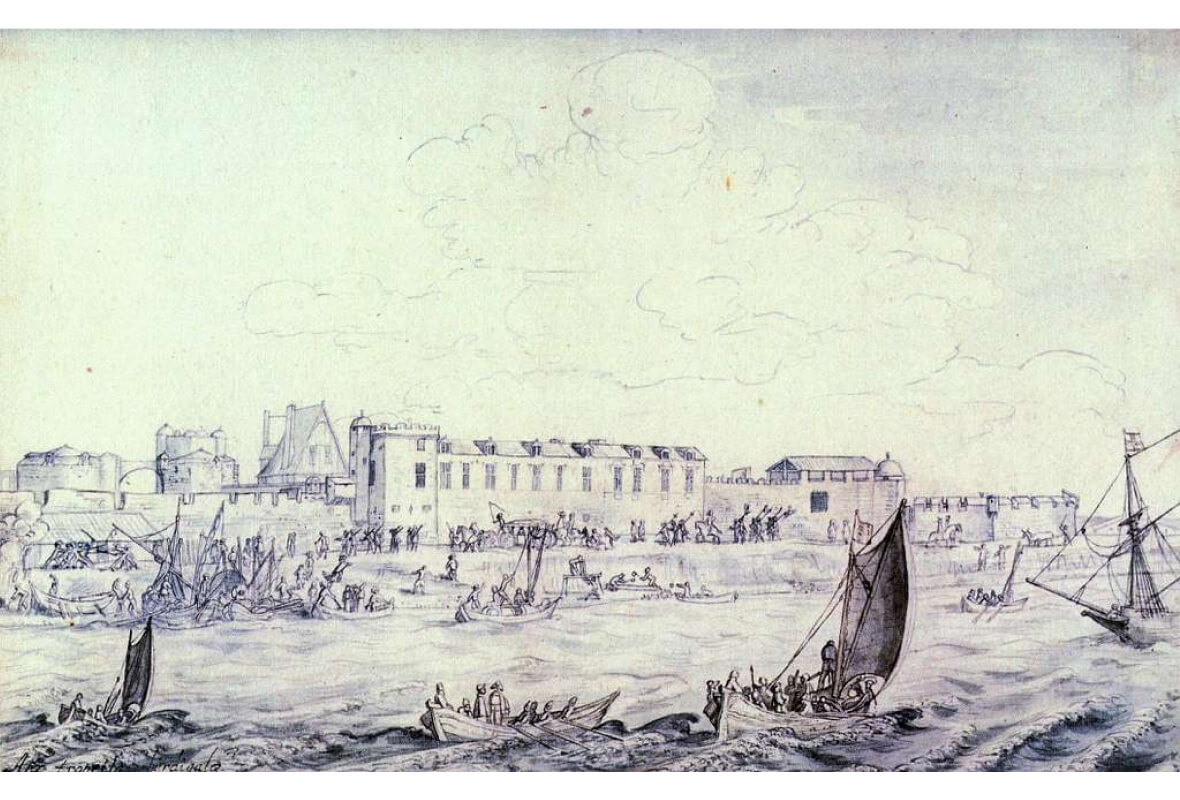
Since the 17th century, the panorama of Port de la Lune has played muse to painters from Bordeaux and beyond. Pierre Lacour, painter and Musée des beaux-arts de Bordeaux’s first curator, turned his attention to this urban landscape between 1804 and 1806, offering his own version of the landmark. Lacour chose a viewpoint showing the façades of the Chartrons and Bacalan districts. On the left, you can distinguish the Fenwick Hotel, the oldest United States consulate in France. He brings to life the smallest details and takes pleasure in depicting this hive of human activity.
It’s the end of the day. Carters and their teams of horses loaded with stone make their way through the streets, alongside carriages and cabriolets. Shipwrights maintain the hulls of small boats. In the middle distance, a porter unloads a cargo of oak staves used to make wine barrels. Further away, a carter uses his whip to urge his stone-laden team uphill, while in the background barrels are rolled across the ground from a gabarre and then hauled by ropes towards the warehouses. In this painting, Lacour pays tribute to the people whose work contributed to the city’s economic prosperity: merchants, craftsmen, traders and boatmen. An impressive fleet of small boats and skiffs can also be seen navigating around the large sailing ships that had come to trade.
They knew every sandbank by memory. They slept beside barrels worth more than several years of wages. Without them, none of Bordeaux’s greatest wines would ever have left home. (One of them, a privateer, gave his name to a great wine: ‘Duhart-Milon: The Winds of History’)
Event: 1152
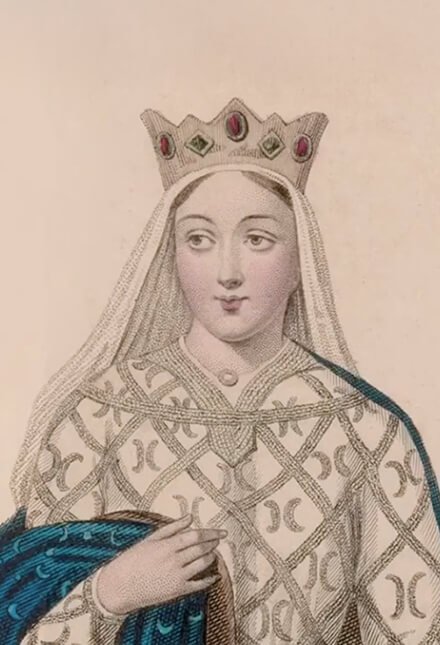
One marriage would eventually transform Bordeaux’s fortunes. Eleanor of Aquitaine married Henry Plantagenet, who became Henry II of England two years later, bringing Aquitaine into the vast Plantagenet realm.
But the wine didn’t start flowing across the Channel overnight. In 1152, relatively little Bordeaux wine was exported to England. Over the following century, that changed dramatically. By the 13th century, Bordeaux had come to dominate the English wine trade, and ships laden with barrels were regularly sailing north. The English even developed a name for the pale Bordeaux wines they encountered: claret.
By 1308–09, around 100,000 tonnes of wine were shipped to England, roughly three quarters of them from Bordeaux. A royal marriage had opened a door. (the English love affair continues in ‘Lafite and L’Évangile: Tribulations in the Age of Enlightenment’)
Ironically, much of today’s greatest vineyard barely existed. Large parts of the Médoc were marshland until Dutch engineers helped drain them during the 17th century. The logistics experts reshaped the landscape itself.
For thousands of years, moving wine meant negotiating with nature. Ships depended on wind; inland trade followed rivers and roads. Then came the steam engine. Steamships could travel independently of the wind and run to increasingly reliable schedules. On land, steam locomotives did something equally revolutionary: they allowed wine to travel quickly in directions rivers never could. Bordeaux’s first railway opened in 1841. As the network expanded, so did the markets its wines could reach.
The journey has changed. The principle hasn’t. Bottles might now leave Pauillac by van or truck, cross an ocean inside a sea container, travel by rail, pass through automated warehouses and arrive on another continent within weeks. Wine may no longer travel these waterways as it once did. But look across our vineyards and the traces of water are still everywhere.
Untangling fact from folklore in the world of wine.
Deep-rooted traditions or ideas with no real basis? From Gregorian chants to the shape of a bottle’s base, here’s a look at some of the stories, rituals and myths that surround the world of wine.
A short cut through some scenic roots
Different notes from different folks, tugged from the earth of the same theme, where we hope each sip has a certain body…
In each issue's 'assemblage' section, we compose a blend of shorter snippets relating to the theme.
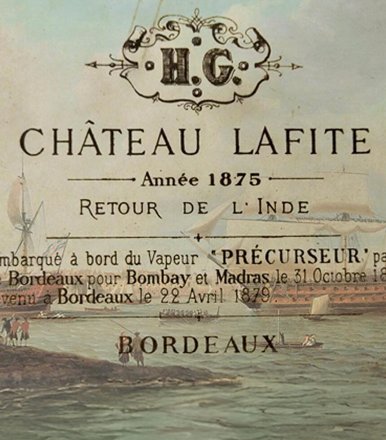
Some wines improve with age. These improved with mileage. The curious story of Retour des Indes.
In 19th-century Bordeaux, a failed shipment led to an unlikely discovery: wine could travel to India and come home better.